Passivhaus in UK Education: Designing Smarter, Healthier Schools
Educational projects across the UK are increasingly adopting Passivhaus certification when delivering school and university buildings.
The science of Passivhaus design has been shown to create superior learning environments with enhanced occupant comfort.
By providing consistent indoor temperatures, excellent air quality, and abundant natural light, these buildings support concentration and cognitive performance for both students and staff.
Lower CO₂ levels improve health outcomes, reducing the spread of airborne viruses which contribute to better attendance, while significantly lowering energy use, therefore reducing carbon emissions and operational costs.
Over the past five years, a number of UK schools have delivered impressive results using Passivhaus standards.
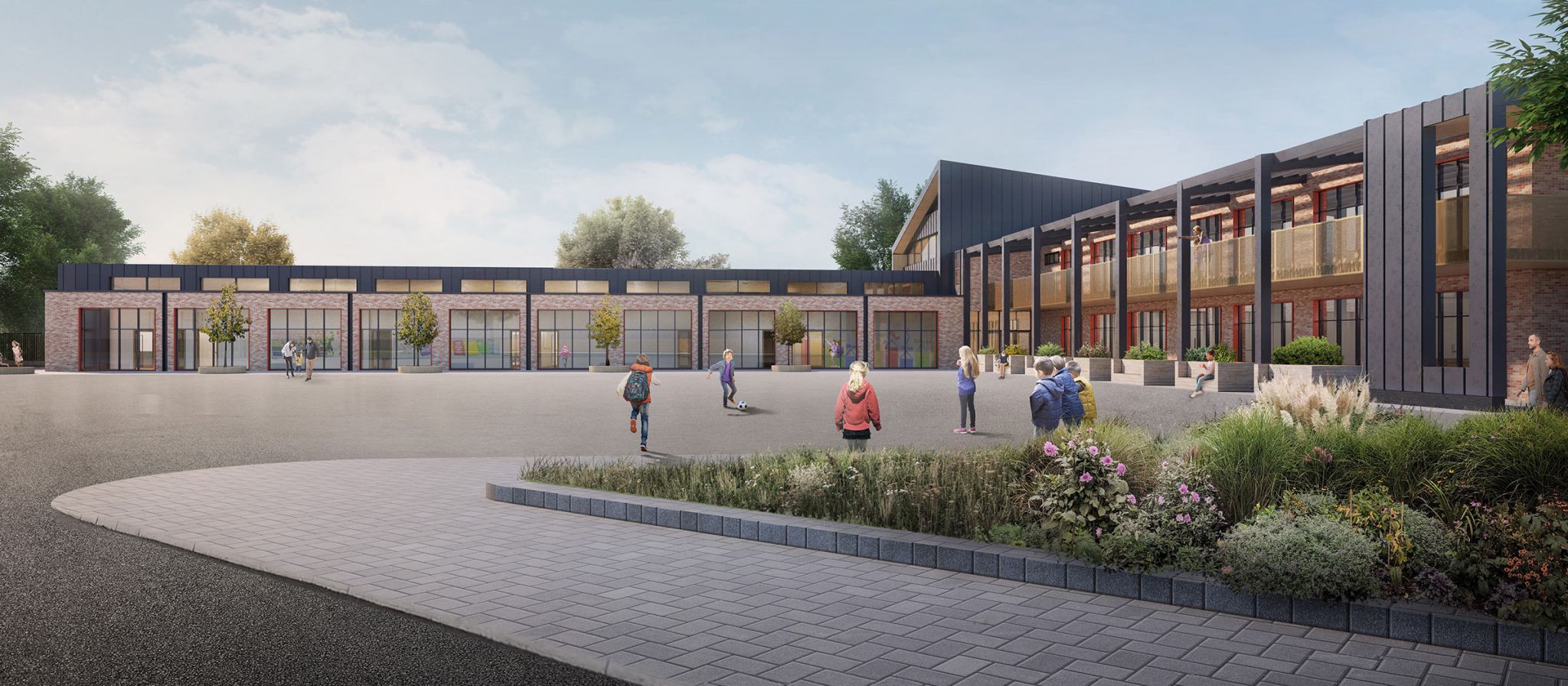
At Thornhill Primary School in Bedfordshire, a new teaching block completed in 2022 achieved Passivhaus Classic certification. Designed for 450 students across 2,200m² of internal space, the building uses Cross Laminated Timber (CLT) and high-performance windows to achieve an airtightness rating of 0.42 air changes per hour (AC/h), ensuring energy efficiency and occupant comfort. With a project value of £7.7 million, it was Bedfordshire’s first certified Passivhaus school.
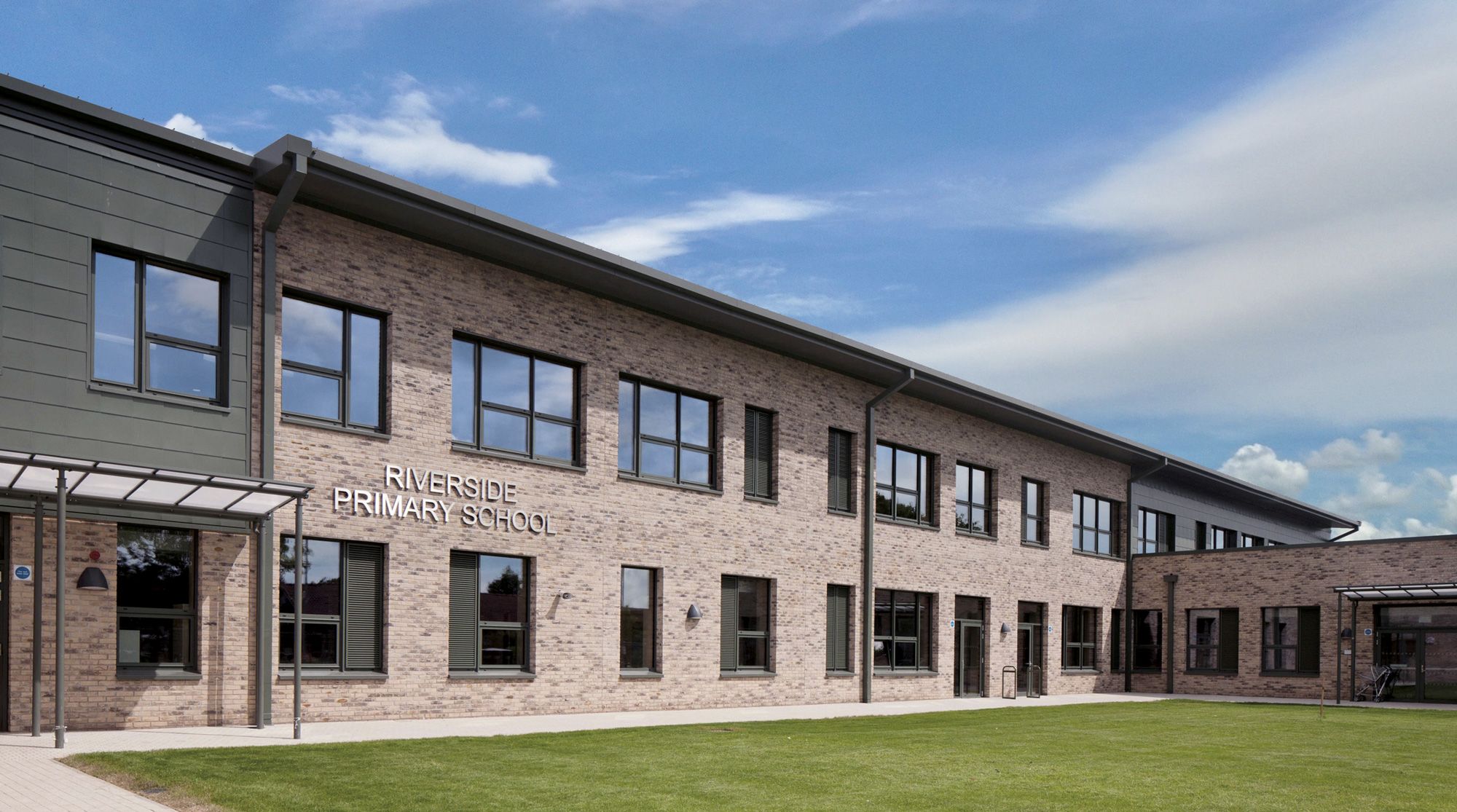
In Scotland, Riverside Primary in Perth became the country’s first Passivhaus-certified primary school when it opened in 2023. The state school accommodates 462 students, 82 nursery pupils, and 16 additional support needs students. The building supports the school’s emphasis on outdoor learning, with ground-floor classrooms opening directly onto landscaped learning trails and external play areas. It overperformed initial energy expectations, using just 35 kWh/m².yr, which resulted in a 70% reduction in energy costs. The project was delivered at a cost of £19.9 million.
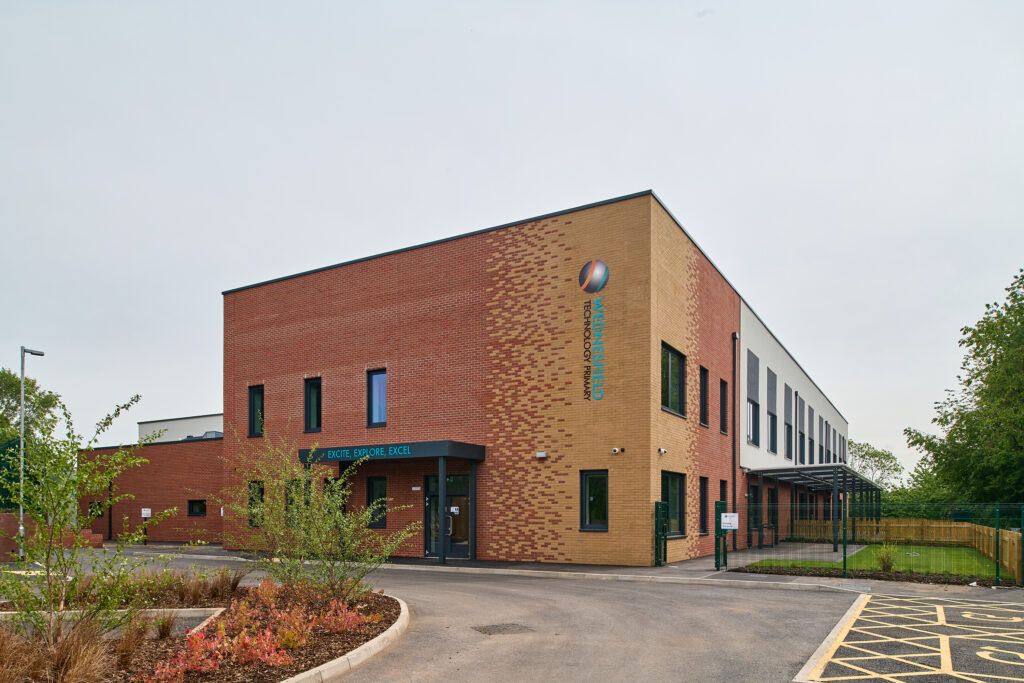
Most recently, in the summer of 2024, Wednesfield Technology Primary School near Wolverhampton opened a new facility constructed to Passivhaus Classic standards. Replacing an existing building, the school was designed for 450 students and achieved an airtightness rating of 0.48 AC/h at 50 pascals, surpassing the Passivhaus requirement of 0.6 AC/h. The project supports the City of Wolverhampton Council’s objectives to improve air quality and reduce energy use in schools.
With nearly 40 years of experience, Lytle Associates Architects has a proven track record in delivering successful education projects. We are happy to offer advice and guidance on delivering your next educational project and Passivhaus certification, helping schools and universities achieve energy-efficient, healthy, and sustainable learning environments.
📞Contact us today on +44 (0)1483 301 661.
Images below are as follows:
1. Thornhill Primary School by ECD Architects
2. Riverside Primary School by Architype
3. Wednesfield Primary School by Corstorphine & Wright